
When Should Kids First See an Orthodontist?
When should kids first see an orthodontist? It's one of the most common questions parents ask, and the answer might surprise you. Most parents aren't sure whether to wait until all the permanent teeth come in or start earlier. Families in the Spring, TX and greater Houston area often bring this question to the team at AvA Orthodontics & Invisalign, so here's what you should know.
What Is an Early Orthodontic Evaluation?
An early orthodontic evaluation is a screening recommended by the American Association of Orthodontists by age 7, when a child has a mix of baby teeth and permanent teeth. This mix gives an orthodontist a clear window into how the bite and jaw are developing, making it possible to spot concerns that would be harder to address later.
An early evaluation doesn't automatically mean your child needs braces right away. Most kids who visit at age 7 simply need monitoring. The goal is to catch potential issues early, when they're easier to address. Think of it as a wellness check for your child's smile.
Orthodontic experts can detect subtle concerns that a general dentist might not notice during routine checkups. Issues like narrow palates, crossbites, or crowding patterns become visible early in development. When these concerns are identified, your orthodontist can recommend whether Phase I treatment makes sense or if watchful waiting is the better approach. For families wondering when should kids first see an orthodontist, age 7 is the benchmark, but certain signs may warrant an even earlier visit.
What Happens at Your Child's First Orthodontist Appointment
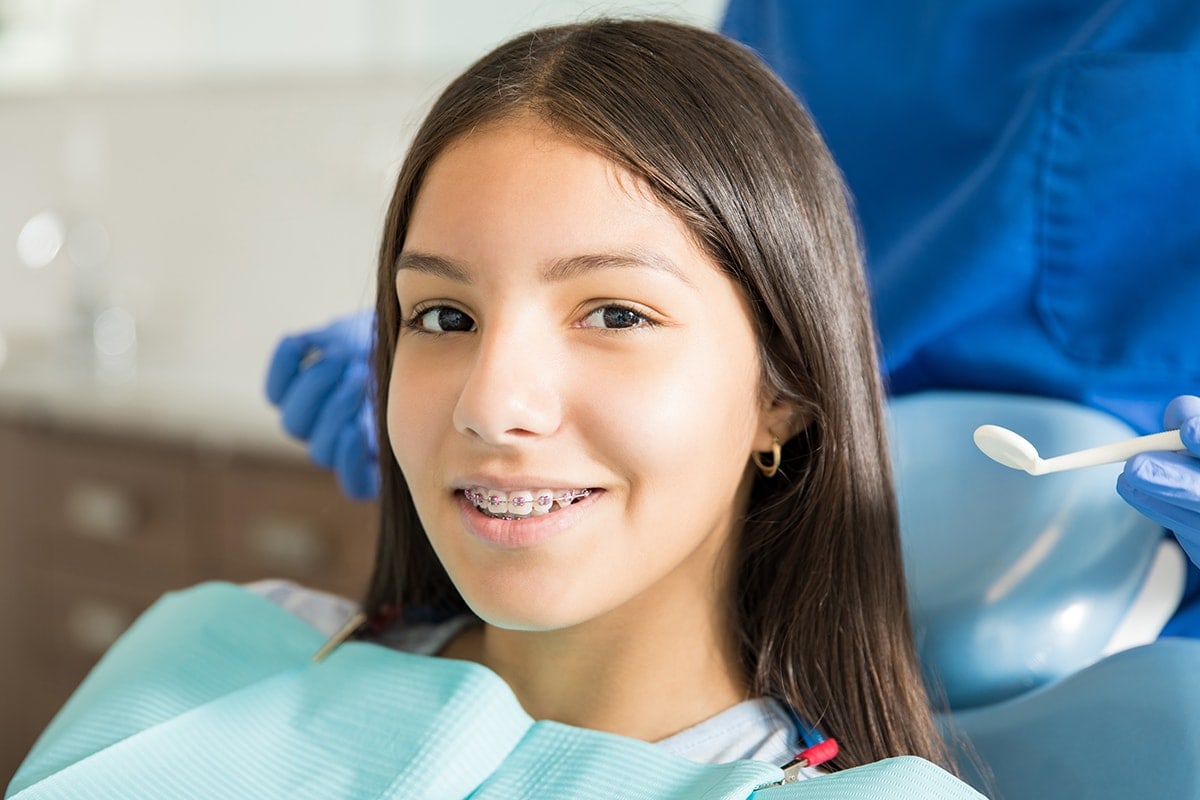
Your child's first visit is pretty straightforward. It takes about 30 minutes, and there's nothing to be nervous about. A lot of kids expect the worst when they hear "orthodontist," but this is nothing like a trip to the dentist for a filling. It's quick, comfortable, and many kids actually enjoy it.
Here's what you and your child can expect:
- Visual examination: The orthodontist will look at your child's teeth, jaw alignment, and how the upper and lower teeth fit together when biting down.
- Digital imaging: Depending on what the visual exam reveals, digital X-rays or panoramic images may be taken. These show teeth that haven't erupted yet and reveal how the jaw bones are developing.
- Growth discussion: You'll learn about your child's current development and any patterns that might affect their smile as they grow.
- Your next steps: Whether that means scheduling a follow-up in six months or discussing treatment options, you'll leave knowing exactly what comes next.
No shots, no drilling, nothing painful. Most kids find it pretty easy, and many get a kick out of seeing their X-rays on the screen. Every child who walks into our Spring, TX practice gets the same warm welcome. We don't have a customer service representative; it's everyone's job to take care of you. A positive first experience sets the tone for years of good oral health habits.
Benefits of Early Orthodontic Care for Children
Starting orthodontic care early gives your child real advantages, from better jaw development to fewer extractions down the road. Board Certified Orthodontists recommend early care because the jaw is still growing, which means there are more options available and treatment is often less complex overall.
You might wonder why it matters to catch orthodontic issues early when your child's mouth is still changing. That's actually exactly why it matters.
How Does Early Treatment Guide Jaw Growth?
While your child's jaw is still developing, an orthodontist can influence how it grows. This creates more space for permanent teeth to come in properly. Early intervention also breaks harmful patterns before they cause lasting damage. Thumb sucking, tongue thrust, and prolonged pacifier use can reshape the mouth over time, and catching these habits early makes correction much simpler.
Can Early Care Reduce Future Treatment Complexity?
Yes, and this is one of the biggest reasons why orthodontic experts recommend age-7 evaluations. Kids who receive Phase I treatment often have shorter, less complicated experiences with braces for kids during their teen years. The groundwork is already laid. There's a confidence factor too. Children who feel good about their smiles tend to be more outgoing and social.
According to the AAO, early treatment can reduce the overall complexity of orthodontic care, though the specific benefits depend on each child's unique situation.
Early Treatment vs. Waiting: When Does Timing Matter?
Not every child needs early orthodontic treatment. Some kids benefit from Phase I care between ages 6 and 10, while others do better waiting until their teen years for Phase II. Understanding the difference helps you decide what's right for your child.
| Factor | Phase I (Early Treatment) | Phase II (Full Treatment) |
|---|---|---|
| Typical Age | 6-10 years old | 11-14 years old |
| Focus | Jaw development, bite correction, habit intervention | Full alignment of permanent teeth |
| Common Tools | Palatal expanders, partial braces, space maintainers | Full braces, Invisalign Teen |
| Duration | Typically 6-18 months | Typically 12-24 months |
| Goal | Prevent bigger concerns, guide growth | Achieve final smile alignment |
Some children benefit from both phases. Others skip Phase I entirely and begin treatment once all permanent teeth have emerged. Your orthodontist will determine the best timing based on your child's individual development.
For older kids and teens, Invisalign offers a popular alternative to traditional braces. The clear aligners are removable, making it easier to brush, floss, and eat normally. Invisalign First is also available for younger children ages 6-10 who need early intervention but prefer a less visible option. Every child's timeline is different. What matters most is getting that initial evaluation so you have the information you need.
What Affects the Cost of Children's Orthodontic Treatment?
Cost is a real consideration for families, and it helps to understand what drives pricing before you start. Orthodontic experts work with families to find options that fit their budget. Here's a breakdown of the main factors:
- Complexity of the issue: A simple spacing concern costs less to treat than a severe bite misalignment that requires multiple phases of care.
- Type of appliance: Traditional metal braces, ceramic braces, expanders, and Invisalign all have different price points. Your orthodontist will recommend the most effective option for your child's needs.
- Insurance coverage: Many dental insurance plans include orthodontic benefits for children. Check your policy for lifetime maximums and age requirements.
- Payment flexibility: Most orthodontic practices offer flexible payment plans, spreading costs over time so treatment fits your budget.
Early intervention can actually reduce total lifetime orthodontic costs. Addressing concerns when your child is young may mean less extensive treatment later. A smaller investment now could prevent a larger one down the road. If you're curious about pricing for your child's specific situation, a free consult is the best place to start.
Signs Your Child May Need to See an Orthodontist
While the age-7 evaluation is recommended for all children, certain signs suggest your child might benefit from seeing an orthodontist sooner. Keep an eye out for the following.
- Unusual tooth loss patterns: Losing baby teeth much earlier or later than peers can indicate underlying issues.
- Chewing or biting difficulties: If your child avoids certain foods or chews awkwardly, their bite may not be aligning properly.
- Chronic mouth breathing: This can affect facial development and often relates to narrow airways or palate issues. If your child breathes through their mouth most of the time, it's worth mentioning to an orthodontist.
- Crowded or blocked teeth: When permanent teeth come in crooked, overlapping, or seem "stuck," early assessment helps determine the best path forward.
- Jaw clicking or popping: A jaw that shifts to one side when opening may signal a developing concern. These sounds are easy to dismiss, but they're worth investigating.
- Prolonged habits: Thumb sucking or pacifier use beyond age 4 can reshape the mouth and affect tooth positioning.
If you notice any of these signs, scheduling a professional orthodontic evaluation sooner rather than later is a smart move, even before age 7. When you work with Board Certified Orthodontists, you know that you are in good hands.
Frequently Asked Questions About Kids and Orthodontics
What age should a child first see an orthodontist?
The American Association of Orthodontists recommends children have their first orthodontic evaluation by age 7. At this age, enough permanent teeth have emerged to identify potential issues with bite alignment and jaw development. Early evaluation doesn't always mean early treatment. Sometimes the best plan is to monitor and revisit in six months.
Does my child need a referral from a dentist?
No referral is needed. You can schedule a consult directly with a practice anytime you have questions about your child's smile development. Many parents prefer to get both their dentist's perspective and an orthodontist's specialized assessment.
Will my child definitely need braces at age 7?
Not at all. Most children evaluated at age 7 simply enter a monitoring phase. The orthodontist tracks development over time and recommends treatment only when it becomes beneficial. That's it. You're getting information early so you can plan ahead, not committing to anything.
How long does early orthodontic treatment last?
Phase I treatment typically lasts 6 to 18 months, depending on what's being corrected. Some children need expanders for several months, while others may wear partial braces for a year or more. Your orthodontist will provide a timeline specific to your child's treatment plan at your child's free consult.
Is Invisalign an option for young children?
Yes. Invisalign First is specifically designed for children ages 6-10 who need early intervention. The clear aligners work well for certain types of corrections and offer a less visible alternative to traditional appliances. Your orthodontist can determine if your child is a good candidate during an evaluation.
So when should kids first see an orthodontist? By age 7, or sooner if you notice any of the signs listed above. Your child's smile is still developing, and that's actually good news. It means you have options. Whether your little one needs early treatment or just periodic check-ins, getting that first evaluation puts you in control.
The Board Certified Orthodontists and Ivy League Graduates at AvA Orthodontics & Invisalign bring a unique combination of art and science to improving the smile you have always dreamed of. Families across Spring, TX and the greater Houston area trust our team because of that commitment. We love what we do. That's why we are always smiling! People who have had experiences with us don't just come back, they don't simply recommend us; they insist that their family and friends come to us!
If you'd like to know more about your child's bite development, learn more about early orthodontic evaluations and find out if your child could benefit from an evaluation at our children's orthodontics page.